A fresh tattoo can look perfect when you leave the studio, then get shiny, itchy, flaky, and a little weird before it settles in. That is the deal. Knowing the tattoo healing timeline keeps you from panicking over normal changes or messing with great work because a scab looked suspicious on day four.
Your tattoo is an open wound at first, even when the design is tiny and fine-line. It needs clean hands, patience, and a little common sense – not a cabinet full of miracle products. Healing varies by placement, size, color saturation, your skin, and how well you follow aftercare. A palm-sized black-and-gray tattoo may calm down quickly; a full-color thigh piece or a tattoo on a constantly moving joint may take longer.
The tattoo healing timeline, week by week
Days 1-3: Fresh, tender, and a little leaky
Right after your appointment, the tattoo may be red, warm, swollen, and sore. You may see a mix of clear plasma, ink, and a small amount of blood under your bandage. That does not mean the tattoo is “falling out.” It is a normal early response while your skin starts repairing itself.
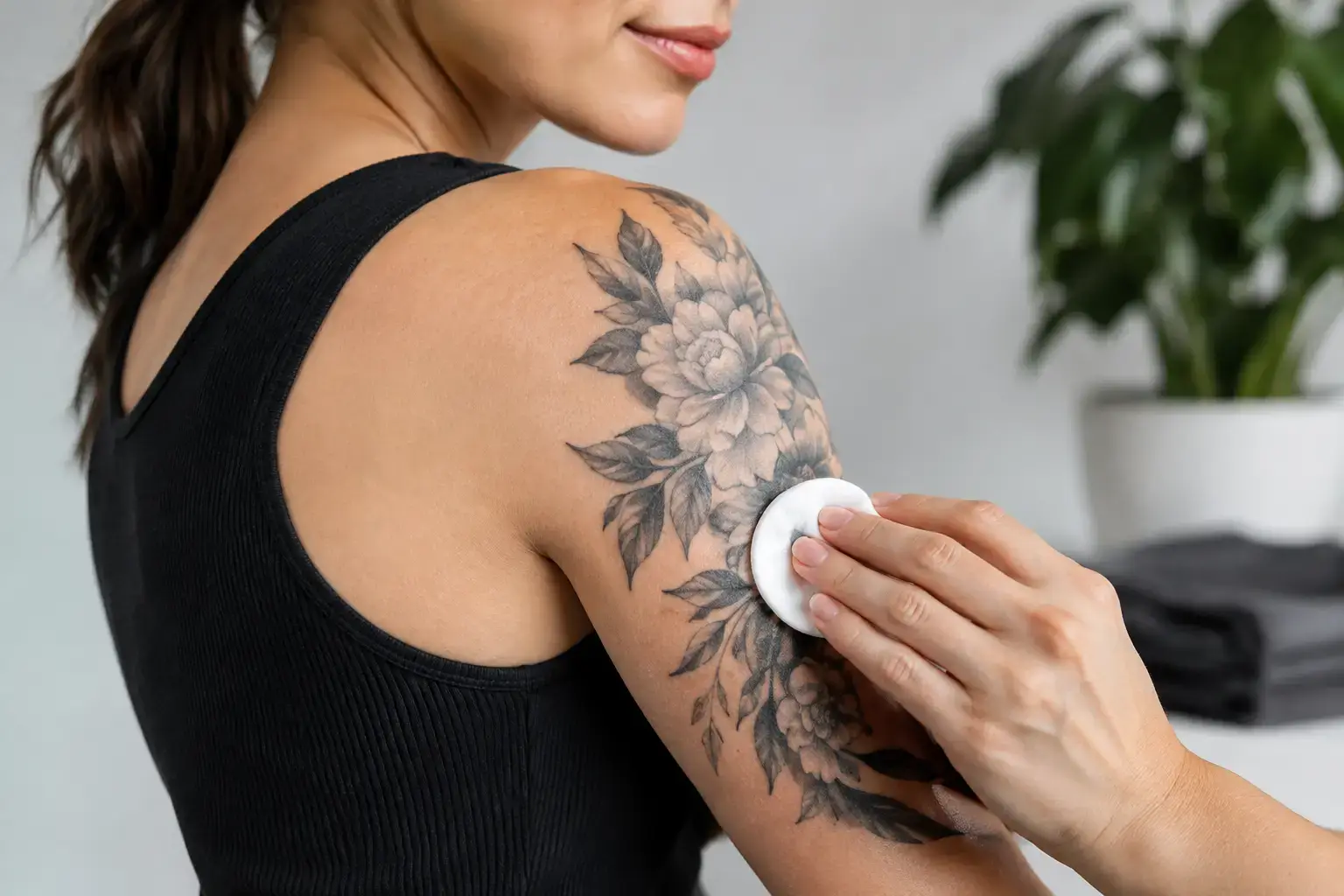
Follow the bandage instructions your artist gives you. Different coverings have different wear times, and your artist knows what was used on your skin. When it is time to remove the bandage, wash your hands first. Gently clean the tattoo with lukewarm water and a mild, fragrance-free soap, then pat it dry with a clean paper towel.
The tattoo may still look extra bold and glossy during these first few days. That fresh-ink shine is temporary. Keep clothing loose when you can, especially around tattoos on the ribs, waist, thigh, or under the bra line. Friction is annoying at best and rough on healing skin at worst.
Days 4-7: The itchy stage arrives
This is when many people start second-guessing everything. Redness and tenderness should generally begin easing, while itching, tightness, and light flaking may kick in. Your tattoo can look duller or slightly cloudy as new skin forms over it. That is normal.
Do not scratch it. Do not slap it. Do not pick at flakes because you are curious about the color underneath. Pulling off peeling skin or scabs before they are ready can remove pigment and leave uneven healing behind. If the itch is driving you nuts, clean the area gently, use only a thin layer of the aftercare product recommended by your artist, and let it breathe.
More moisturizer is not automatically better. A tattoo should not be dripping, greasy, or smothered under a thick layer of ointment. Too much product can trap moisture and irritate the skin. Think light coverage, not frosting a cake.
Week 2: Peeling and flaky skin
Week two is usually the least glamorous part of the process. Your tattoo may peel in thin sheets, like a sunburn, or shed tiny flakes. The colors can look muted beneath the peeling layer. This is often called the “silver skin” stage because the tattoo can appear cloudy, dry, or less crisp than it did on day one.
The move here is boring but effective: wash gently, moisturize lightly, and leave it alone. Let the flakes come off in their own time. The artwork is not disappearing. It is healing beneath a layer of damaged surface skin.
A few placements need extra patience. Hands, fingers, feet, ankles, and areas that rub against shoes or clothing can be slower and more temperamental. Elbows, knees, and other bendy spots may feel tight or crack if they get overly dry. That does not mean you need to drown them in lotion. It means you need to avoid stretching, rubbing, and picking whenever possible.
Weeks 3-4: It looks healed, but do not get reckless
By week three, most visible peeling has finished. The skin may still feel dry, shiny, or slightly textured, and the tattoo may look like it has a faint haze over it. Under the surface, your body is still doing repair work.
This is the stage where people tend to relax too much. They head to the pool, take a long soak, spend all afternoon in direct sun, or go hard at the gym in dirty clothes. Your tattoo may look fine, but it is still settling. Continue avoiding swimming pools, hot tubs, lakes, oceans, and baths until the skin is fully closed and no longer peeling or scabbed. Showers are fine.
You can usually return to normal movement as comfort allows, but use your judgment. A tattoo under a tight waistband, athletic gear, or work uniform may need more attention. Clean it after sweating, wear breathable clothing, and do not let a fresh tattoo marinate in gym funk.
Weeks 4-6: Settled skin and long-term care
Most tattoos look and feel healed around the four-to-six-week mark. That does not mean every tattoo follows the same calendar. Larger pieces, heavily saturated color, sensitive skin, and high-friction placements can take longer. If your artist tells you to keep up a specific routine beyond this point, follow their lead.
Once the tattoo is fully healed, sunscreen becomes part of protecting the art. UV exposure fades tattoos over time, especially bright colors and fine details. Use broad-spectrum sunscreen on healed tattoos when they will be exposed, and keep your skin moisturized. Good skin care will not freeze your tattoo in time, but it helps your artist’s work stay sharp longer.
Tattoo aftercare: Keep it clean, not complicated
The internet loves turning tattoo aftercare into a science experiment. You do not need that energy. Your artist’s instructions come first, because they know the tattoo, the placement, and the bandage method. In general, clean hands and a simple routine beat random advice from a comment section.
Avoid anything heavily fragranced, harsh exfoliants, alcohol-based products, and thick layers of petroleum-heavy ointment unless your artist specifically instructs otherwise. Skip tanning, direct sun, soaking, and picking. Keep pets from licking or rubbing against the tattoo, too. They are adorable, but they are not part of the aftercare plan.
Sleeping can be awkward for the first few nights, especially with a larger tattoo. Wear clean, loose clothing and use clean sheets. If your tattoo sticks lightly to fabric, do not yank it loose. Wet the fabric with clean lukewarm water and ease it away.
What is normal and what deserves a call
Some redness, warmth, tenderness, clear fluid, itching, and peeling are common early in the tattoo healing timeline. Those symptoms should gradually improve, not get more intense after the first few days.
Contact your tattoo artist if you are unsure about a healing change, particularly if you have questions about bandage removal or aftercare products. Reach out to a medical professional promptly if you notice spreading redness, worsening swelling or pain, thick yellow or green discharge, fever, red streaks, or a rash that keeps spreading. A tattoo artist can guide aftercare, but medical concerns need medical care.
Allergic reactions can also happen, sometimes later than expected. Persistent raised areas, severe itching, or unusual irritation are worth taking seriously. Do not try to fix a major reaction with random products or by scrubbing the tattoo harder.
Let the tattoo do its thing
Healing is not the flashy part of getting tattooed, but it is part of the art. The best move is simple: respect the process, resist the urge to pick, and give your skin the same care you gave the decision to get the piece in the first place.
At Apocalypse Girl Tattoo, we are all about Good Ink, Good Vibes, and clear aftercare – because badass art deserves a clean heal. If something about your tattoo’s healing has you wondering, asking your artist beats guessing every time.